The full guide
Game processing from the field to the freezer
The whole arc in one place: the first hour, the cape, the hide, the skull, the meat and the blades that do all of it. Each stage links to the detailed guide written by whoever does that work.
What does the whole job look like?
Six stages, and only the first one is on a clock you cannot negotiate. Everything after the first hour is a schedule you control.
| Stage | When it happens | What decides the outcome | The detailed guide |
|---|---|---|---|
| Field care and first cuts | Minutes 0 to 60 | Heat, ground contact, where the cape line falls | Caping a shoulder mount |
| Getting the meat off | Hour 1 to 3 | Core temperature, not surface temperature | The gutless method alone |
| Cape decision | Same day | Whether you can salt properly today | Salt or freeze |
| Salting and drying | Day 1 to day 4 | Contact, drainage and the second application | How much salt a cape needs |
| Skull work | Week 1 to week 6 | Simmer temperature and how long you degrease | European mounts |
| The tools through all of it | Continuous | Edge geometry and when you stop to maintain it | Blade steel for game care |
The first hour is the whole game
Photograph the animal, get it off hot ground, take the cape line generously, and get the meat cooling. In that order.
Nothing later in this guide can recover an hour spent lying on sun-baked rock. Hair slip is bacterial and it starts at the hair root while the hide still looks and smells perfect, which is why hunters are so often surprised two weeks later. The cheapest insurance in this entire process is moving the carcass twenty feet into shade before you do anything else.
- Photographs first, from several angles, including the head from the front. Those images set ear angle and eye detail on the finished mount.
- Off the ground, into shade or moving air. Above 60F ambient you are already losing time.
- Cape line a full hand behind the front legs, leg rings above the knee, and the line up the back of the neck.
- Meat off the bone and spread out, because bone-in quarters hold heat in the joint for hours.
The cut sequence in detail is in how to cape a shoulder mount without ruining the brisket line, and the one-person version of the meat work is in the gutless method when you are working alone. Tagging and transport rules come from Texas Parks and Wildlife and they differ by county.
Hide, salt and time
A hide keeps for hours in heat and for days on salt. Almost every cape a tannery rejects failed a schedule rather than a technique.
The two decisions are whether to salt or freeze, and then how much salt and on what surface. Both are unglamorous and both decide whether the animal on your wall looks like the animal you shot. Salt on a flat sloped surface, twice, with the wet salt removed in between. Freeze only if you can seal the hide properly against air.
Full weights by species are in how much salt does a cape actually need. The decision between the two methods, including the cooler-with-no-ice failure that ruins more capes than anything else, is in salt or freeze.
What about the skull?
Simmer, never boil, and then degrease for longer than you cleaned. A yellow skull a year later is under-degreased, not under-whitened.
European mounts look like the cheap option and they are, in money. In calendar time they run two to six weeks, most of it a jar of soapy water being changed every second day. The failures are heat, which cracks the nasal bones and opens the sutures, and impatience, which shows up as grease coming through the bone months later.
The full method, including the temperature bands and why household bleach destroys bone, is in European mounts and the heat that cracks bone.
Which blades carry all of this?
One mid-range fixed blade you can sharpen anywhere, plus a short caper kept clean for head work. That pair beats one expensive knife in almost every log we keep.
- Edge life on hide is counted in animals, not in rope cuts, and it runs shorter than any bench test suggests
- Hard steels buy edge retention and take away your ability to bring the blade back at camp
- A two inch caper turns inside an eye socket where a four inch blade cannot
- A dirty sheath dulls an edge faster than the cutting does
The steel comparison with our own hides-per-edge counts is in blade steel for game care, and what to actually carry and when to use it is in field sharpening that works on an animal.
Does any of this change on exotics?
The steps do not. The clock does, and out here that is most of the difficulty.
Aoudad, oryx and blackbuck come off the mountain thinner, hotter and further from a cooler than any whitetail. Long hair traps heat and fights the salt, thin summer hide case-hardens, and the terrain around Big Bend National Park makes a two hour pack out normal rather than exceptional. The sequence is identical and every window inside it is shorter.
That is covered in aoudad and oryx: what changes when the animal comes off a desert mountain.
Who wrote all this?
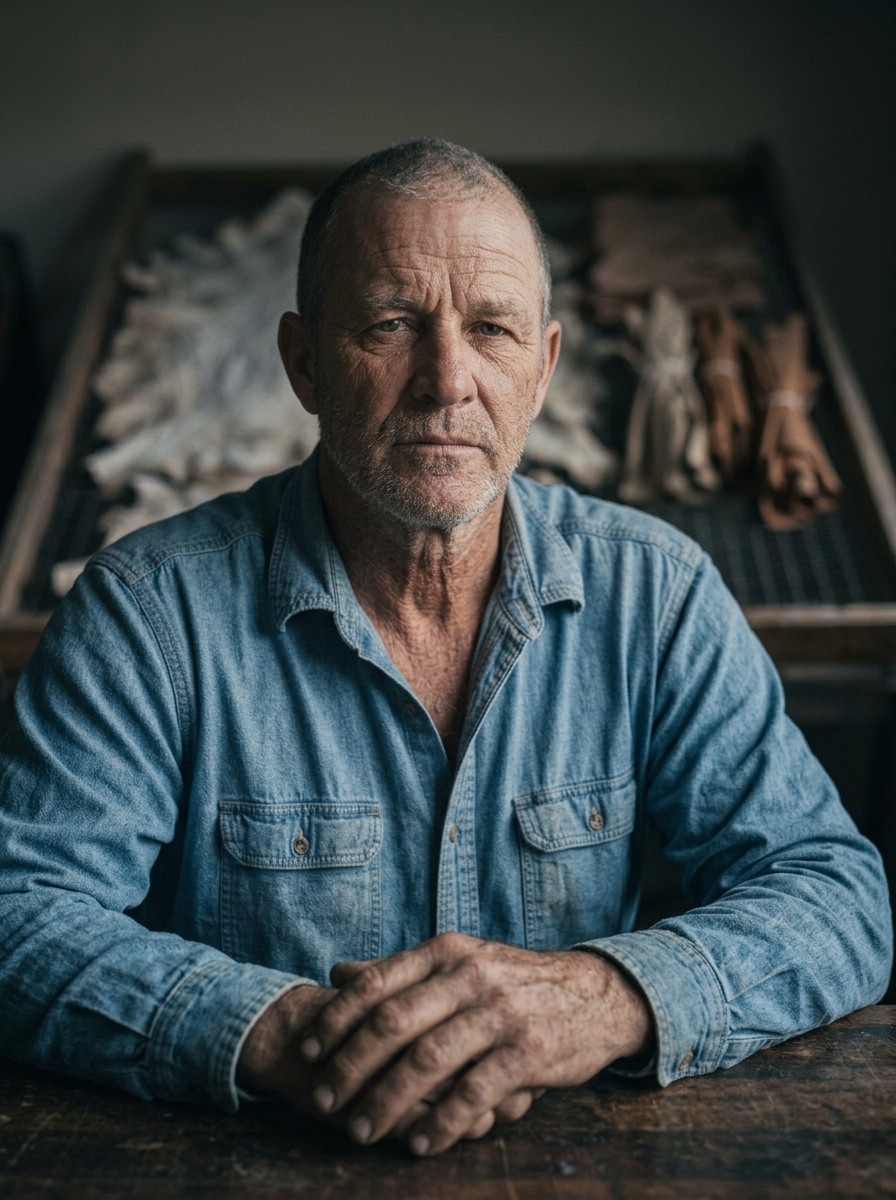
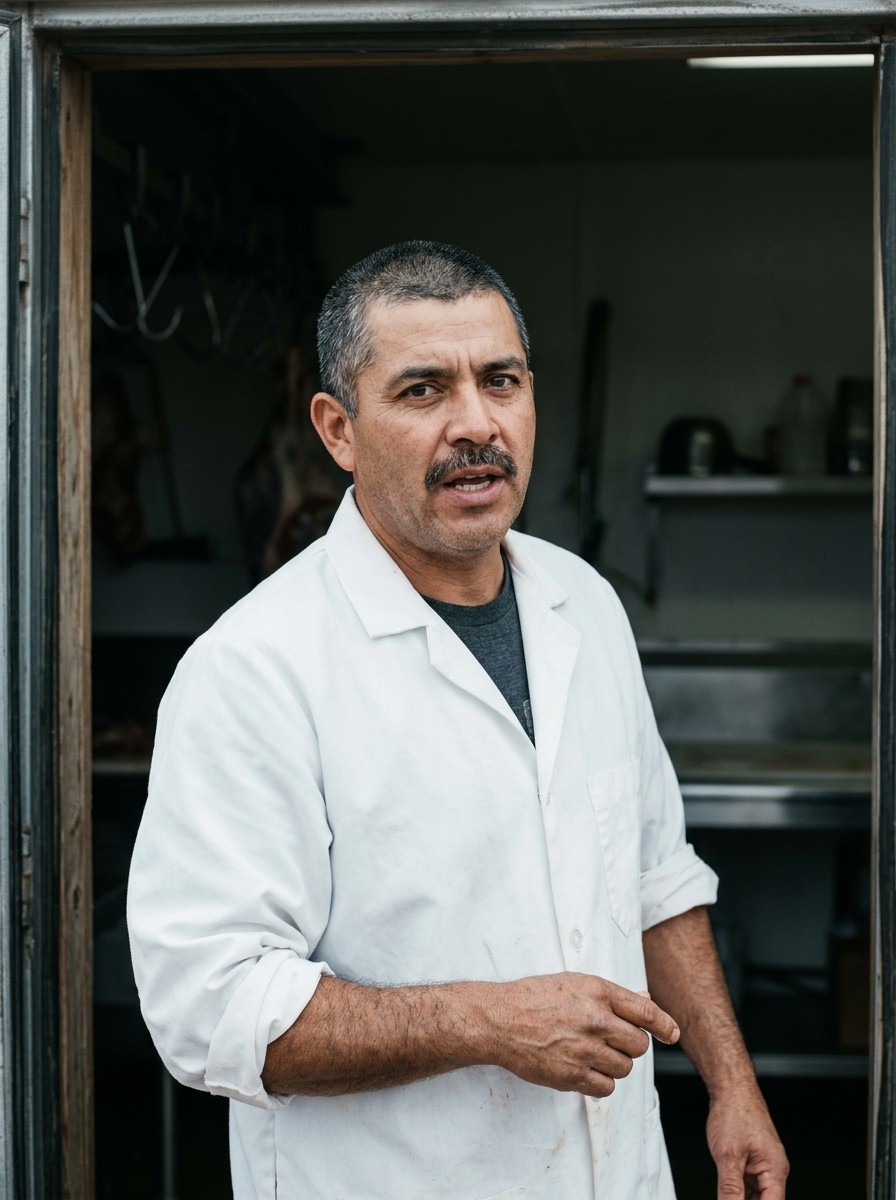
Three people who do this work for a living in three towns in far West Texas.

How the guides get reviewed before they go up is on the about page. Meat handling guidance from Texas A&M AgriLife Extension is worth reading alongside all of this.