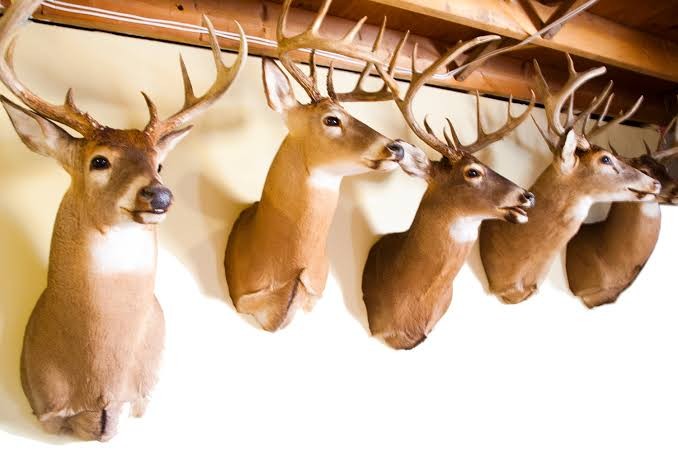
About
About Hip-O Game Care
Hip-O Game Care is a small editorial project in far West Texas about what happens to an animal between the shot and the shop. Three people write it, and all three do this work with their own hands.
What is this site for?
To close the gap between what a hunter does in the field and what a taxidermist can work with in the shop.
Most trophy work fails before it reaches a studio, and usually not because the hunter was careless. It fails because nobody told them that a cape in a warm truck bed is losing hair at the root while it still looks perfect from the outside. Almost every guide on this site started as a conversation at a drop-off counter, and almost none of those conversations were pleasant.
We write for three people: the hunter who wants to handle their own animal properly, the guide who capes for clients on a schedule, and the first-timer who is about to spend more on a shoulder mount than on the hunt that produced it.
The three of us
A studio caper, a hide man and a meat cutter, working in three towns inside a ninety mile stretch of far West Texas.
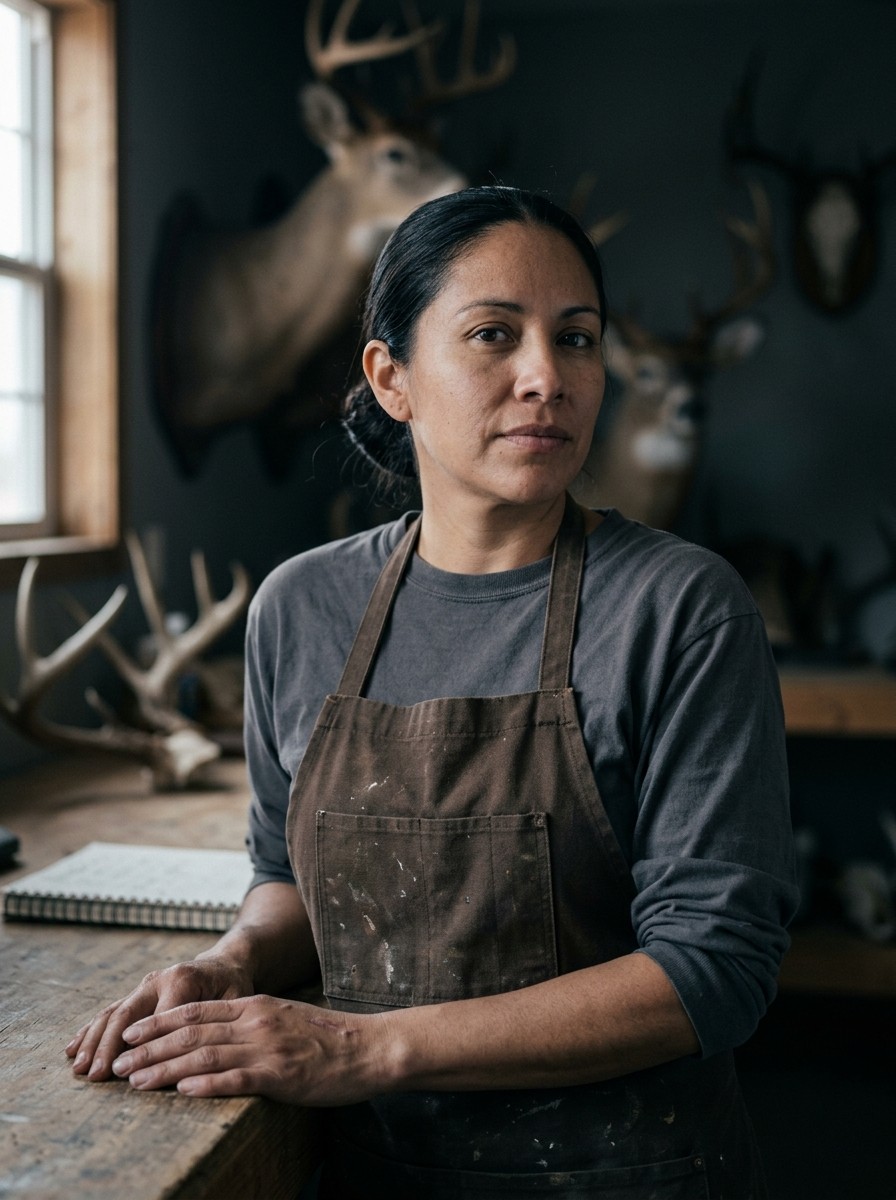
Wren Castellanos
Caping and cape repair · Alpine
Wren grew up on a hunting lease outside Marathon and started sweeping floors in an Alpine studio at nineteen. Nine years later she does the caping, the measuring and the repair work on capes other people brought in wrong. She logs every cape that comes through the door, including her own mistakes.
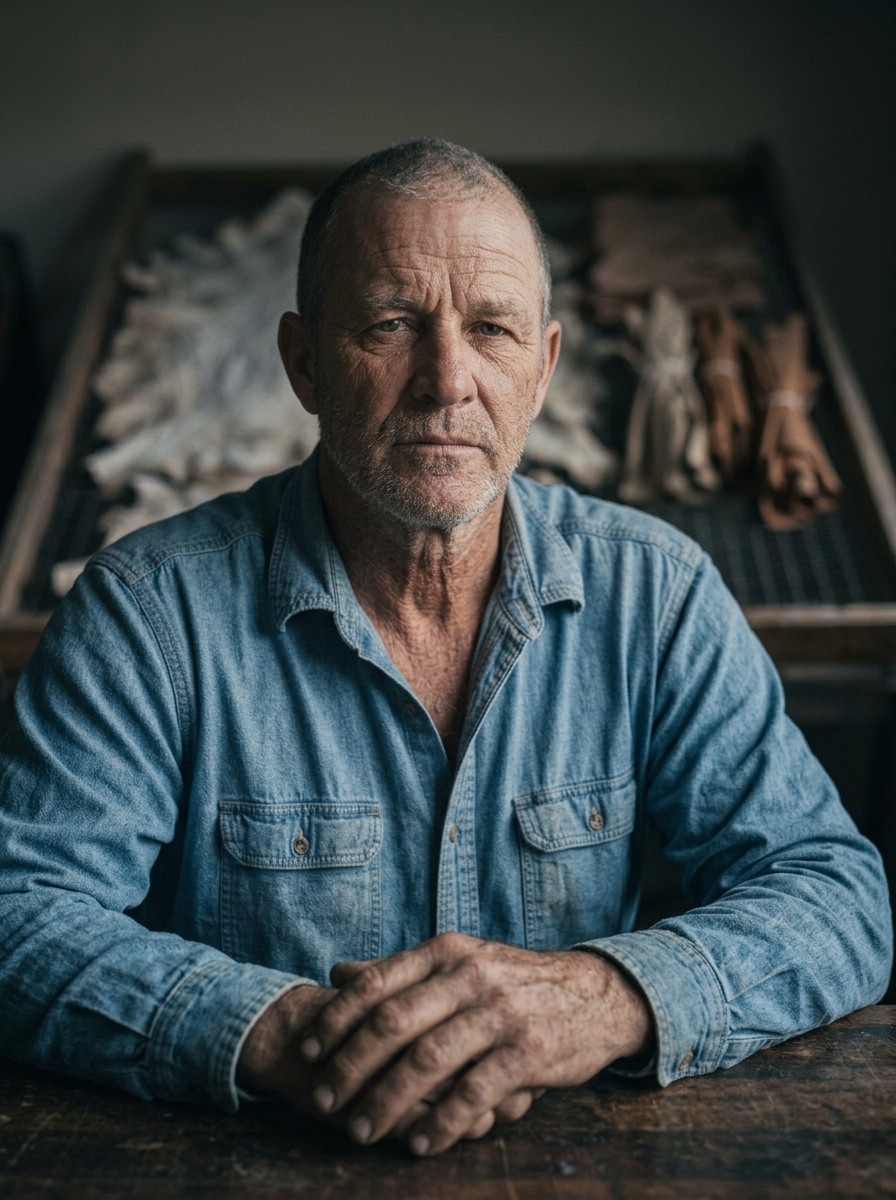
Odell Prather
Hides, horn and tanning · Fort Davis
Odell ran a hide and leather shop in Fort Davis for twenty four years, then sold the front of it and kept the back. He salts, drains and ships to the tannery. He also kept a folder of every rejection letter the tannery ever sent him, which is where most of his advice comes from.
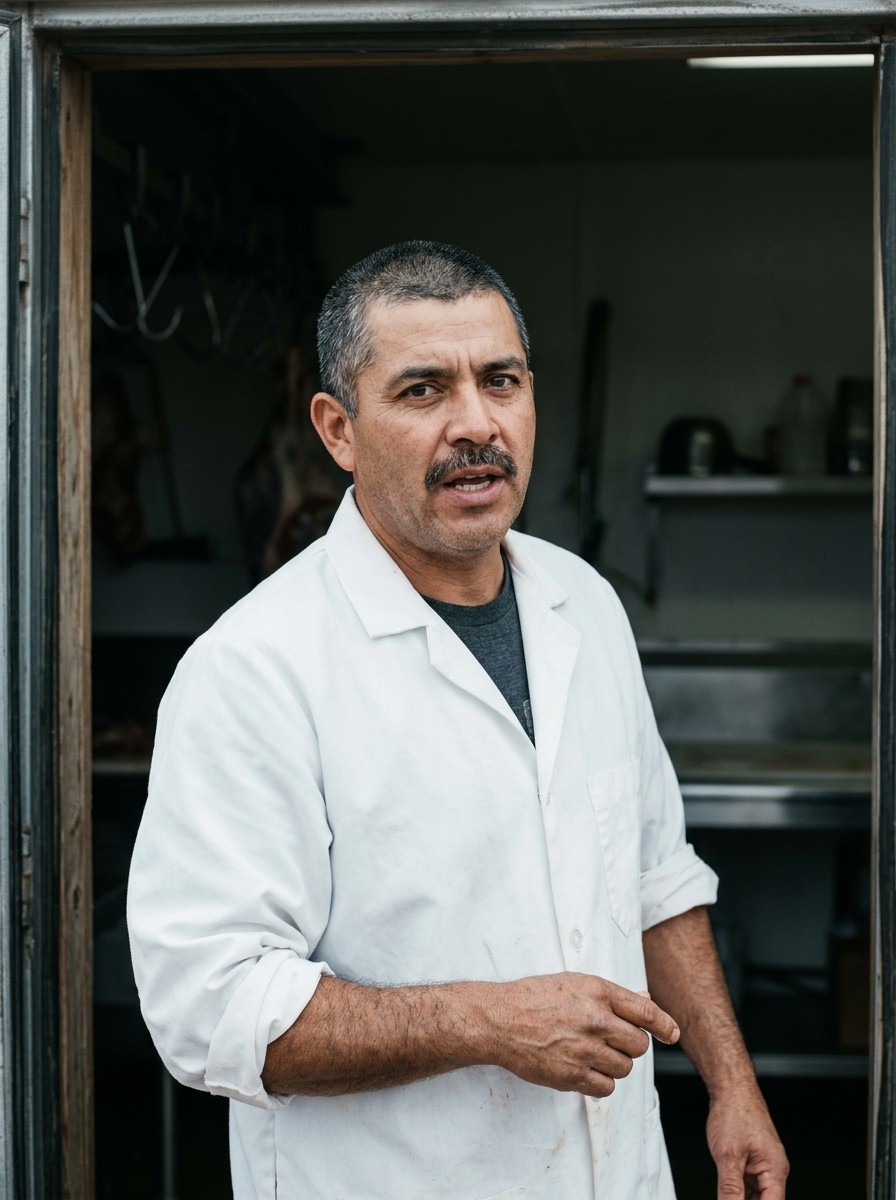
Elias Roybal
Butchering and meat care · Marfa
Elias is a third generation meat cutter. He worked the counter at a locker plant in Marfa, then went mobile so he could reach animals faster. He will argue about carcass temperature with anyone who stands still long enough, and he is usually right.
What do we actually stand behind?
Only what we have carried through a full season, and only with the failures left in.
- Every method here ran on real animals, not modelled from a manual or rewritten from another site
- Failures stay in the text, including the ones that cost somebody money
- No gear recommendation without a season of use behind it
- No paid placements, and any affiliate arrangement is stated on the Disclaimer page
That last one matters more than it sounds. The easiest way to earn in this niche is to rank a list of knives nobody on staff has held. We would rather publish fewer guides and keep the ones we have.
How does a piece get published here?
Every guide goes through the person who does that work for a living, then through a season of use before it goes live.
- One of us drafts it from bench notes, not from other websites.
- The person who does that specific work reviews it. Odell does not edit caping. Wren does not edit meat.
- Anything with a number in it gets checked against our own logs. If we cannot source it, it comes out of the text.
- The piece carries a date and a name, and corrections get published rather than quietly patched in.
Why does a game care site talk about knives?
Because caping is blade-limited work. Everything else in the job is technique, and technique runs out where the edge does.
Every other part of field care can be solved with planning: shade, salt, ice, an earlier start, a shorter drag. The blade cannot. A shoulder cape carries hundreds of small cuts, most of them inside an eye socket, a lip line or an ear butt, and every one of those cuts is decided by how the edge behaves after the previous forty.
That is why so much of the writing here drifts toward steel, grind angle and edge geometry. It is not a gear habit. It is the one variable in this work a person cannot outwork, which is also why capers drift into the custom knife world sooner or later. At some point the catalogue stops answering the question.
How long have we been at this?
Forty one years of bench time between the three of us, in one of the hardest climates in the country for hide work.
Nine years of studio caping, twenty four years of hide and leather work, eight years of meat cutting and mobile processing. Brewster, Jeff Davis and Presidio counties run 100F afternoons into September and freezing nights by November, sometimes in the same week. That swing is why the schedules on this site are stricter than anything you will read from a shop in Michigan.
Questions go to Wren at [email protected]. The contact page covers what we can and cannot answer.