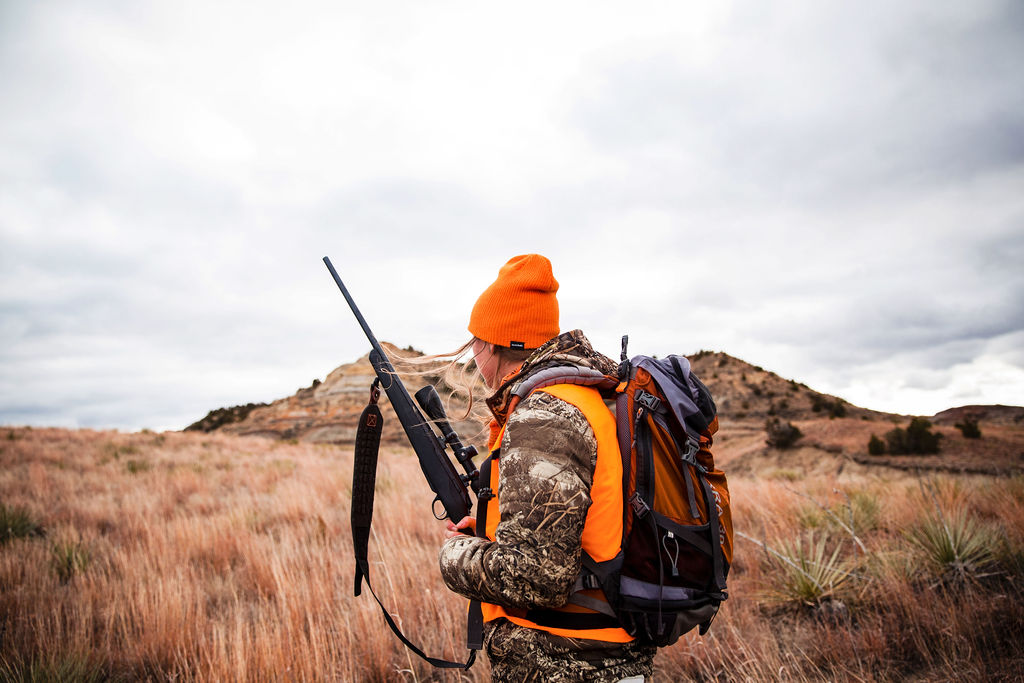
Big Bend & exotics
Aoudad and oryx: what changes when the animal comes off a desert mountain
Thinner hide, higher heat, longer pack out and a hair coat that traps everything. The steps are the same as whitetail. The clock is not, and out here the clock is what decides the outcome.
By Elias Roybal, butchering and meat care
West Texas sends more exotic capes to studios than native game in some seasons. High fence ranches across Brewster, Presidio and Jeff Davis counties run aoudad, oryx, blackbuck and axis, and most of those animals are taken in country that makes every part of field care harder than the same job on a whitetail in a cedar bottom.
What actually changes on an exotic?
Three things: hide thickness, hair coat, and the distance between the animal and any shade.
| Animal | Hide compared to whitetail | Hair coat | Typical pack out | The thing that catches people |
|---|---|---|---|---|
| Aoudad | Similar thickness, tougher | Long chaps and mane, traps heat and dirt | 1 to 3 hours, steep | Salt has to be worked down through the mane to skin |
| Oryx | Noticeably thicker and heavier | Short and dense | Usually vehicle accessible | Sheer weight, a green cape can pass 60 lb |
| Blackbuck | Thin, closer to pronghorn | Short | Short, open country | Thin hide case-hardens fast under heavy salt |
| Axis | Thin to medium | Short, sheds heavily in season | Moderate | Hair slips early, less margin than any of the others |
None of that changes the sequence. Cape line, leg rings, neck cut, skin forward, get the hide flat and cool. What changes is how much time you have to complete it, and that number is usually half what a hunter expects.
Why does heat behave differently up here?
Because the shade is not where you left it, and the ground radiates long after the sun moves off it.
Rock holds heat. An animal down on a south facing slope at two in the afternoon is lying on a surface that is well above air temperature, and the hide against that rock is the part that slips first. The country around Big Bend National Park is open, steep and dry, and the shade that existed when you started glassing has moved by the time you walk in.
The practical answer is to move the animal before you do anything else, even a short distance, onto anything that is not sun-baked rock. Twenty feet to the shaded side of a boulder is worth more than any technique that follows.
Expert opinion, Wren Castellanos, caping and cape repair: “Aoudad capes come in with heat damage on the brisket far more often than on the back, and it is almost always the rock rather than the air. If you can only do one thing before you start cutting, get the animal off the ground it was lying on.”
Wren Castellanos, Alpine, Texas
Why is the pack out the real problem?
A two hour carry in 85F is the single most common reason an exotic cape reaches a studio in poor condition.
- Take the cape line and the three measurements first, before any meat moves. If the carry goes badly, at least the cut is right.
- Get the cape off the animal and rolled flesh to flesh with the hair out, so the flesh side is not sitting against itself in a warm bundle.
- Carry the cape out on the first trip, not the last. Meat tolerates another hour on the mountain far better than hide does.
- Salt it or seal and cool it the same day. On a thin blackbuck or axis cape, the same day means within a few hours, not by bedtime.
Hunters who make two trips almost always bring the meat first because it feels more valuable. On a trophy animal that is the wrong order. Meat that sat an extra hour in moving air is fine. A cape that sat an extra hour under a mane on hot rock may not be.
Why is salting an exotic a different job?
Long hair fights you. Salt has to reach skin, and on an aoudad that means working it down through the mane by hand.
- Aoudad take 6 to 8 lb on the first application, more than a mule deer, because the coat absorbs and holds moisture
- Blackbuck and axis take less and go stiff faster, so watch for case hardening at the edges while the middle is still wet
- Oryx capes are heavy enough that the fold at the neck traps liquid, and that fold needs opening and re-salting at the second application
- Horn caps on aoudad and blackbuck loosen quickly above 80F, so treat the head as the urgent part rather than the last part
The full weights and schedule are in how much salt a cape actually needs, and if you are days out from a shop, the decision tree is in salt or freeze.
Expert opinion, Odell Prather, hides, horn and tanning: “Do not put heavy salt on a thin blackbuck cape and walk away. It will draw the edges hard while the centre is still green, and a case-hardened cape is a re-hydration job at the shop that nobody enjoys and somebody pays for.”
Odell Prather, Fort Davis, Texas
Notes from the ranch gate
Four things about exotic work that do not come up on whitetail.
- Aoudad meat has a reputation it does not deserve, and most of that reputation is heat rather than the animal. Cooled fast, it is good.
- Exotic hunting on private land in Texas runs on ranch rules rather than a public season, which changes when animals get taken and often means midday shots in warm months.
- A green oryx cape can pass 60 pounds. Plan the carry before the shot, not after, because a two person job attempted alone is where capes get dragged.
- Long hair hides damage. A slipping aoudad cape can look perfect until somebody runs a hand against the lay of the mane at intake.
The last one accounts for most of the arguments at drop-off. The hunter saw a fine cape at the truck and heard bad news two weeks later, and both descriptions were honest.
Paperwork, before you plan the taxidermy
Native game and Texas exotics are straightforward. Anything imported or listed is a different question and it comes first.
Confirm possession and transport rules with Texas Parks and Wildlife, and if any part of the animal came from outside the United States, check the import and documentation requirements with US Fish and Wildlife Service before it goes anywhere near a studio. A finished mount held up by paperwork is still a lost season. Meat handling and cooling guidance for the same animal is published by Texas A&M AgriLife Extension.
The cutting sequence itself does not change from native game, and it is described in the caping guide. Working alone on a warm day is covered in the gutless method.
This guide covers one stage of a longer sequence. The whole arc is in game processing from the field to the freezer.
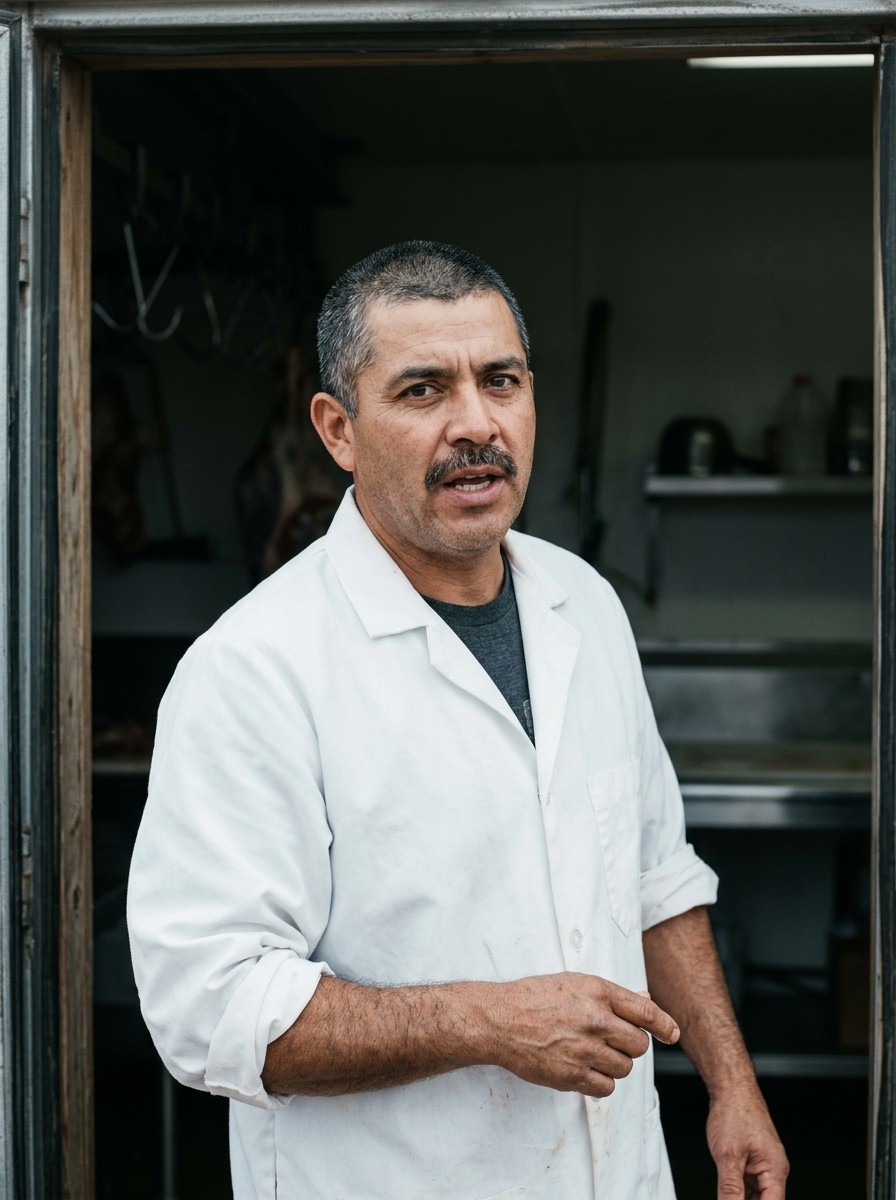
Written by
Elias Roybal
Butchering and meat care · Marfa, Texas
Elias runs mobile game processing out of Marfa, Texas, across the high fence country of Presidio and Brewster counties.
More from Elias in field notes.