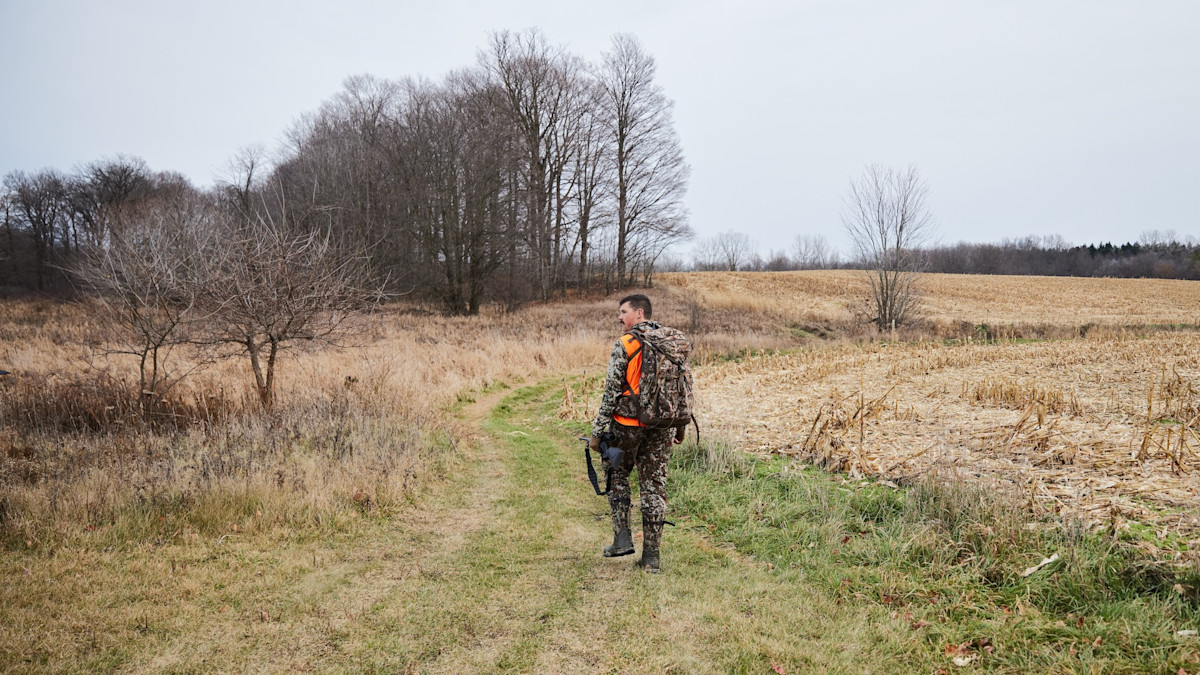
Field dressing & caping
The gutless method when you are working alone
One person, a warm afternoon and no help coming. The gutless method wins here because it keeps the carcass closed, the meat clean and the cape whole, in that order.
By Elias Roybal, butchering and meat care
The gutless method removes the meat without opening the body cavity. You work from the outside in, quarter by quarter, and the gut stays where it is. For one person on a warm day, that is not a stylistic preference. It is the difference between meat you eat and meat you apologise for.
Why does gutless win when you are alone?
Because it removes the two jobs that need a second pair of hands: rolling a heavy animal and holding the cavity open.
A field dressed carcass has to be rolled to drain, rolled again to skin, and propped while you work inside it. Alone, that is twenty minutes of wrestling before any meat moves. Gutless lets you work one side completely, then roll once. On a mule deer that saves roughly half an hour, and in September out here half an hour is a real number, not a convenience.
It also keeps the paunch intact, which matters more than the time. Every gut shot carcass I have taken in with tainted meat had a nicked paunch somewhere in its history, usually from somebody working fast in bad light.
The order of operations that keeps both
Cape line first, then one side completely, then roll. Meat and cape fail in different directions, and the order is what keeps you from choosing.
- Take your cape line and leg rings before anything else, while you are calm and the animal is clean. Two minutes here, and the cape is out of the decision from then on.
- Skin the top side down to the spine, laying the hide out flat as a working surface. The hide is the cleanest thing on the ground, so use it.
- Take the front quarter, then the hind quarter, then the backstrap, then the neck and rib meat off that side. Bag each piece as it comes off and get it into shade.
- Roll the carcass, repeat on the other side, and take the tenderloins last through the gap beside the spine without opening the cavity.
The one thing worth adding is a second knife. Not for the romance of it: a blade that has been through hair and dirt for one side is noticeably duller by the time you roll, and swapping is faster than stopping to sharpen with bloody hands.
Expert opinion, Wren Castellanos, caping and cape repair: “Do the cape line first even if you think you might not mount the animal. I have taken in three capes this year from people who decided at the truck that the antlers were better than they thought at the shot. You can always not use a cape you took correctly.”
Wren Castellanos, Alpine, Texas
What actually spoils meat on a warm day?
Core temperature, not surface temperature. A quarter that feels cool on the outside can sit above 70F an inch in.
Bone-in quarters hold heat in the joint, which is the last place to cool and the first place to sour. Hanging a whole hindquarter in 80F shade does very little for the ball joint at the top of the femur. Getting the meat off the bone, into game bags and spread out so air can move around each piece does more in twenty minutes than a tree does in three hours. Carcass cooling guidance from Texas A&M AgriLife Extension lines up with what I see in the trailer.
| Situation | Rough core cooling time | What it costs you | What to do instead |
|---|---|---|---|
| Whole carcass hung, 80F shade | 12 hours or more | Sour ball joints, bone taint at the hip | Quarter it and open the joints |
| Bone-in quarters in a pile | 6 to 8 hours | The middle of the pile stays warm | Separate the bags, leave air gaps |
| Boned meat in single bags, shade and wind | 2 to 3 hours | Slightly more trimming later | This is the target |
| Boned meat on ice in a cooler, drained | Under 2 hours | You have to carry a cooler | Best case if the truck is close |
What do you actually carry for this?
Less than most lists suggest. Two knives, bags, and something to keep the meat off the ground.
- Two fixed blades, or one fixed blade and a replaceable blade handle, so you never work with a dull edge
- A short caping blade if the animal might get mounted, kept separate and clean
- Four to six breathable game bags, not plastic, because plastic holds the heat you are trying to lose
- A tarp or the hide itself as a clean working surface, and a headlamp you tested before you left
Gloves are the honest omission here. I do not wear them and most people I work with do not either, but the US Fish and Wildlife Service and every state agency recommend them, and if there is any chance the animal was sick, that recommendation is not decoration.
Expert opinion, Odell Prather, hides, horn and tanning: “Bags matter more than knives at this stage. I have seen good meat ruined in cotton pillowcases that soaked through and held moisture against the surface all afternoon. Breathable is not the same as cheap fabric.”
Odell Prather, Fort Davis, Texas
Notes from the trailer
Things that only show up when you process a hundred animals a season instead of two.
- Meat that touched the hide is fine. Meat that touched the ground is a trim job. Meat that touched gut is a decision.
- A carcass shot through the paunch does not automatically taint. Speed and water do most of the work, and the smell at the trailer tells you more than the wound channel did.
- Hair on meat is cosmetic until the meat gets wet, and then it becomes glue.
- The single biggest predictor of good meat is not shot placement or weather. It is how many minutes passed before the first quarter came off.
That last one surprises people who spend a lot on gear. In our own tallies, animals that were opened inside 45 minutes came in clean regardless of the shot. Animals that sat two hours came in variable no matter how good the shot was.
Where does gutless cost you something?
You give up the organs, and you give up the easy inspection that an open cavity offers.
If you want heart or liver, gutless makes that awkward and most people skip it, which is a real loss. You also do not get the same look at the internal condition of the animal, which matters if anything about its behaviour or appearance was off. In that case, open it, look, and call your state agency rather than making the call yourself.
Everything downstream of this hour, from cape handling to salt, is covered in the caping guide and in salt or freeze. The knife side of the job is in blade steel for game care.
This guide covers one stage of a longer sequence. The whole arc is in game processing from the field to the freezer.
Written by
Elias Roybal
Butchering and meat care · Marfa, Texas
Elias is a third generation meat cutter in Marfa, Texas. He worked a locker plant counter for six years, then went mobile to reach animals sooner.
More from Elias in field notes.