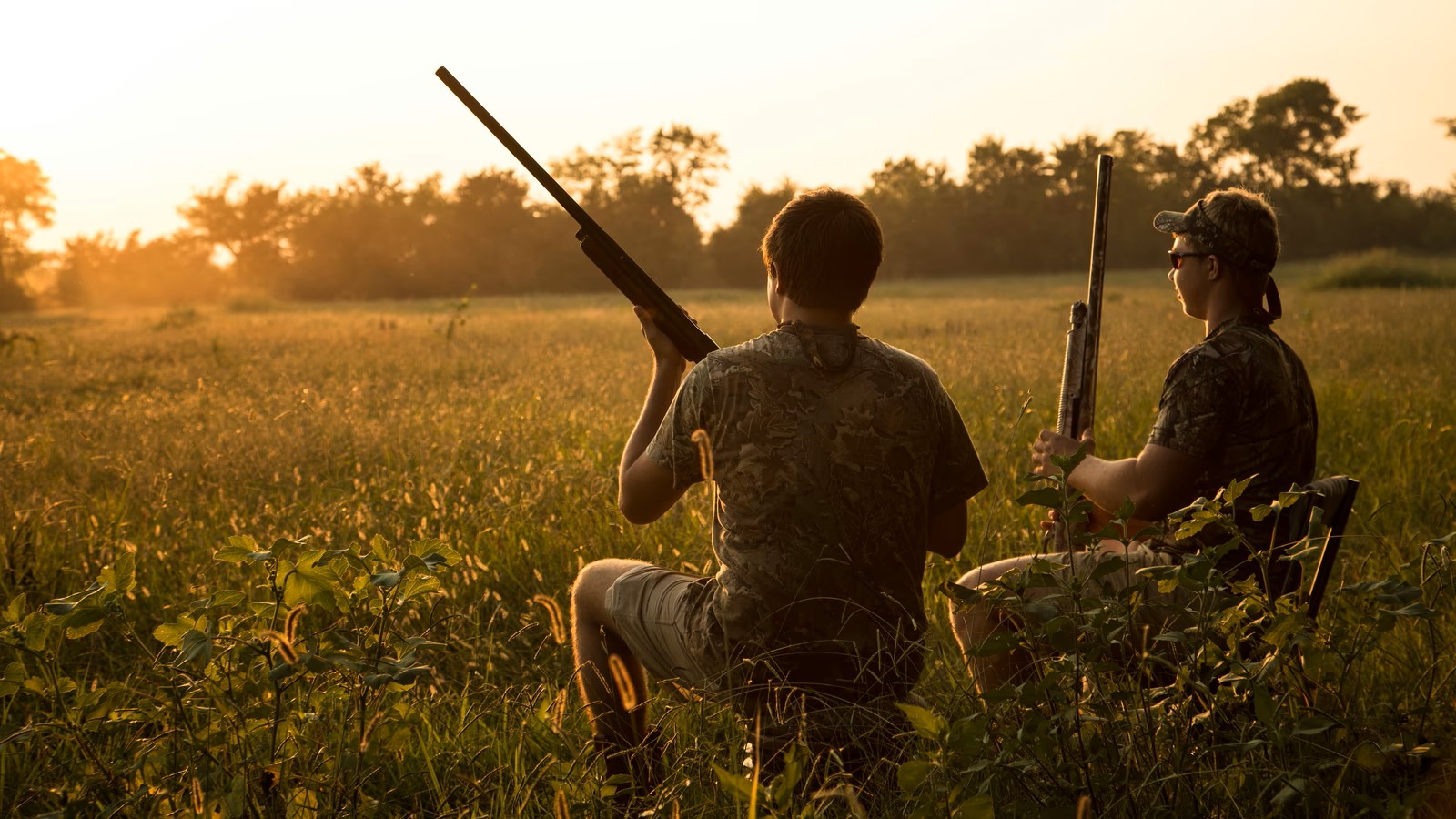
Guided hunts
Hunting with an outfitter: settle the field care before the hunt
On a guided hunt somebody else handles your animal in the first hour. Five questions asked at booking decide whether that goes well, and none of them are about the hunting.
Why does this need agreeing in advance?
Because the first hour belongs to the guide, and by the time you see the cape again the outcome is already fixed.
Ranch guides in this part of Texas are good at hunting and variable at caping, which is normal: it is not the job they were hired for. A guide who caped four animals last season and a guide who capes forty a year produce very different hides, and the difference shows up at a studio two weeks later when nobody remembers who did what.
None of this is an accusation. It is a scheduling problem. The guide is thinking about the next client at dawn, and the cape is competing with that.
The five questions worth asking at booking
- Who capes the animal, and roughly how many did they cape last season? A straight number is a good sign either way.
- Is there a cooler or a walk-in on the property, and how far is it from where we will be hunting? Distance in minutes matters more than the equipment.
- Do you salt on site, or does the cape go straight to a studio? If it goes to a studio, how soon and who drives it?
- If I want to cape it myself, is that a problem? Most outfitters are fine with it and some prefer it.
- Who is responsible if the cape slips? Not to argue later, but because asking makes everyone treat the hide as a named item rather than a by-product.
Ask those at booking rather than at the truck. At the truck it sounds like distrust. At booking it sounds like a client who knows what they want, which is exactly the client a good outfitter would rather have.
What does a good outfitter already do?
- Moves the animal off hot ground before anything else, even before photographs
- Takes reference photographs from several angles without being asked
- Cuts the cape line generously, well behind the front legs, because extra hide costs nothing
- Gets the hide flat and cool the same day, and tells you exactly what was done to it
If the answer to the salting question is a confident schedule rather than a shrug, you are dealing with an operation that has thought about it. The standards those answers are measured against are in the full game processing guide.
If you are doing it yourself on a guided hunt
Say so at booking, bring your own blades, and do not slow the guide down.
Bring a short caper and a mid-range fixed blade, work fast, and take the three measurements before the cape comes off. The cut sequence is in the caping guide, and the tools are covered in blade steel for game care. On exotics the timings tighten further, which is dealt with in aoudad and oryx field care.
Licence, tagging and transport rules on private land in Texas still come from Texas Parks and Wildlife, and on any imported or listed species the documentation question goes to US Fish and Wildlife Service before the animal moves anywhere.